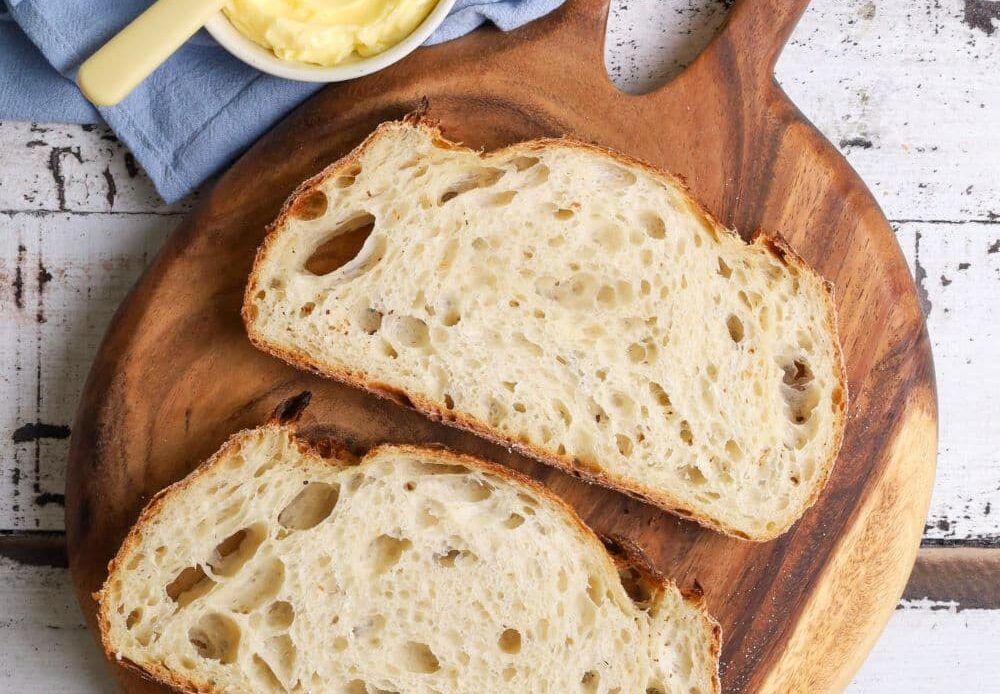
This easy sourdough bread recipe is designed to take the intimidation out of baking your own artisan-style loaf at home. With a simple ingredient list and a method that relies more on time than effort, it’s perfect for beginners who want consistent, reliable results.
The long fermentation process does most of the work, developing deep flavor and that signature tang without requiring constant attention.
What makes this recipe especially appealing is the balance it strikes between structure and flexibility. You don’t need fancy techniques or complicated steps to achieve a crusty, golden exterior and a soft, airy interior.
The use of a Dutch oven helps create steam inside the oven, giving the bread a beautiful rise and crisp crust that feels truly bakery-quality.
Whether you’re baking your first loaf or refining your sourdough skills, this recipe offers a dependable foundation. It’s the kind of bread you can enjoy daily, from simple toast in the morning to hearty sandwiches or a side for soups and stews.
Why I Keep Making This Sourdough Bread?
I keep coming back to this sourdough bread because it perfectly balances simplicity and quality. Even though the process takes time, most of it is hands-off, which makes it easy to fit into a daily routine.
There’s something incredibly satisfying about letting the dough slowly develop flavor and structure without needing constant intervention.
Another reason I make this bread regularly is the consistency it offers. Once you understand the rhythm of fermentation and folding, the results become predictable in the best way. Each loaf comes out with a crisp crust and soft interior, making it reliable enough for everyday baking.
It also feels rewarding in a deeper way than quick recipes. The process teaches patience, observation, and a better understanding of ingredients. Over time, you start recognizing the signs of a well-fermented dough, and that connection makes the final result even more enjoyable.
Variations You Can Mess Around With
- Swap a portion of the bread flour with whole wheat flour for a more rustic flavor and denser crumb.
- Add seeds like sunflower, sesame, or flax for extra texture and nutrition.
- Incorporate herbs such as rosemary or thyme to create a savory loaf.
- Mix in roasted garlic or olives for a more complex, bakery-style bread.
- Adjust hydration slightly by adding a bit more water if you want a more open crumb structure.
Pro Tips for Perfect Results
- Use a digital scale for accurate measurements, as sourdough relies heavily on precise ratios.
- Make sure your sourdough starter is active and bubbly before using it.
- Keep the dough covered during resting stages to prevent it from drying out.
- Pay attention to dough texture rather than exact timing, especially during fermentation.
- Preheat your Dutch oven thoroughly to achieve the best oven spring and crust.
How to Make Sourdough Bread?
Ingredients
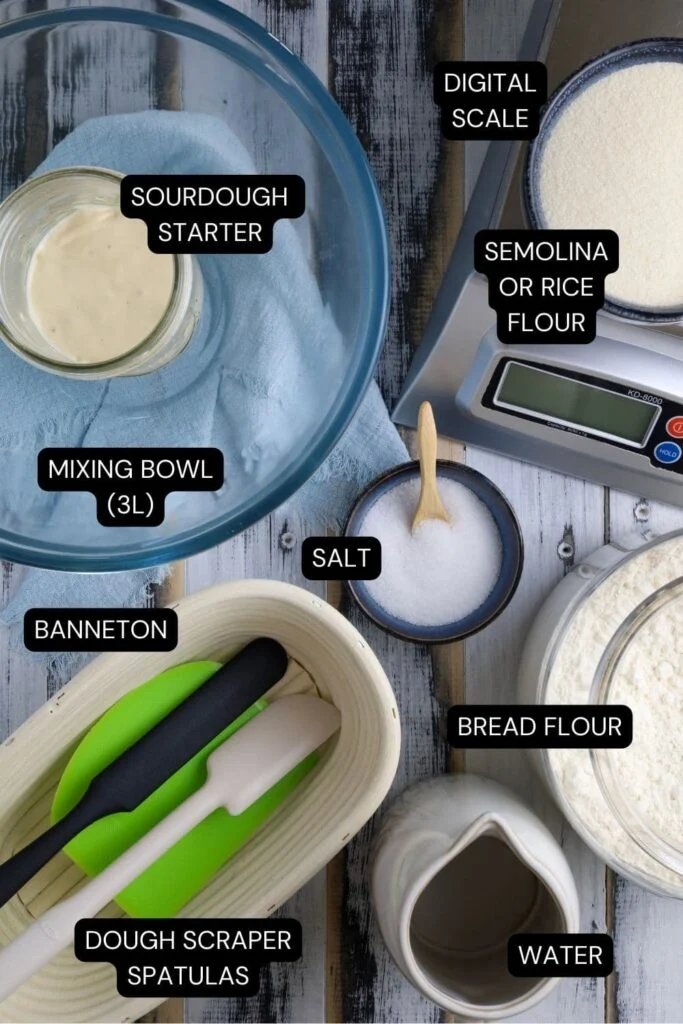
- 500 g bread flour
- 350 g water
- 50 g sourdough starter
- 10 g salt
Equipment
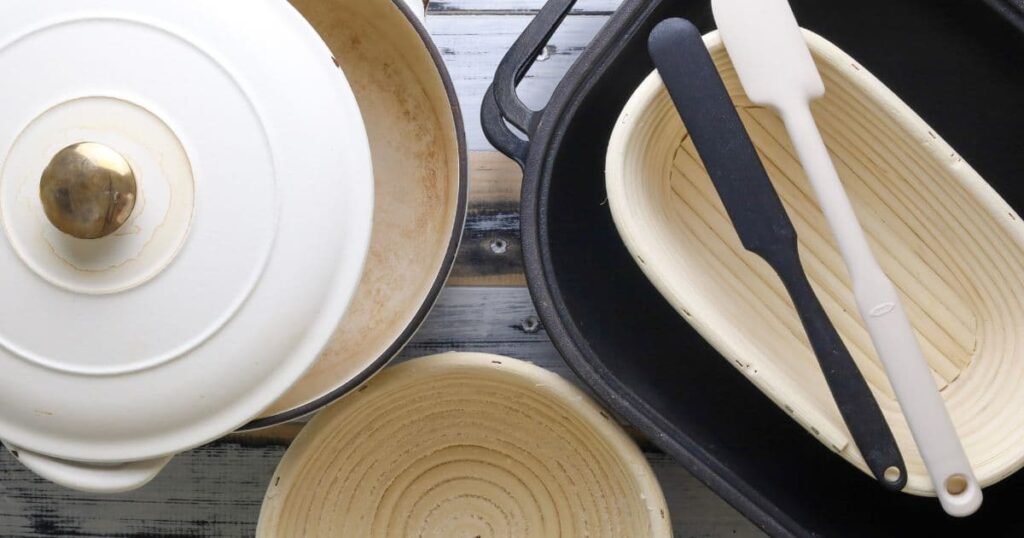
- Mixing bowl (preferably a large glass bowl)
- Digital scale
- Banneton or proofing basket
- Dutch oven
- Dough scraper
- Parchment paper
- Wire rack
Instructions
Step 1:
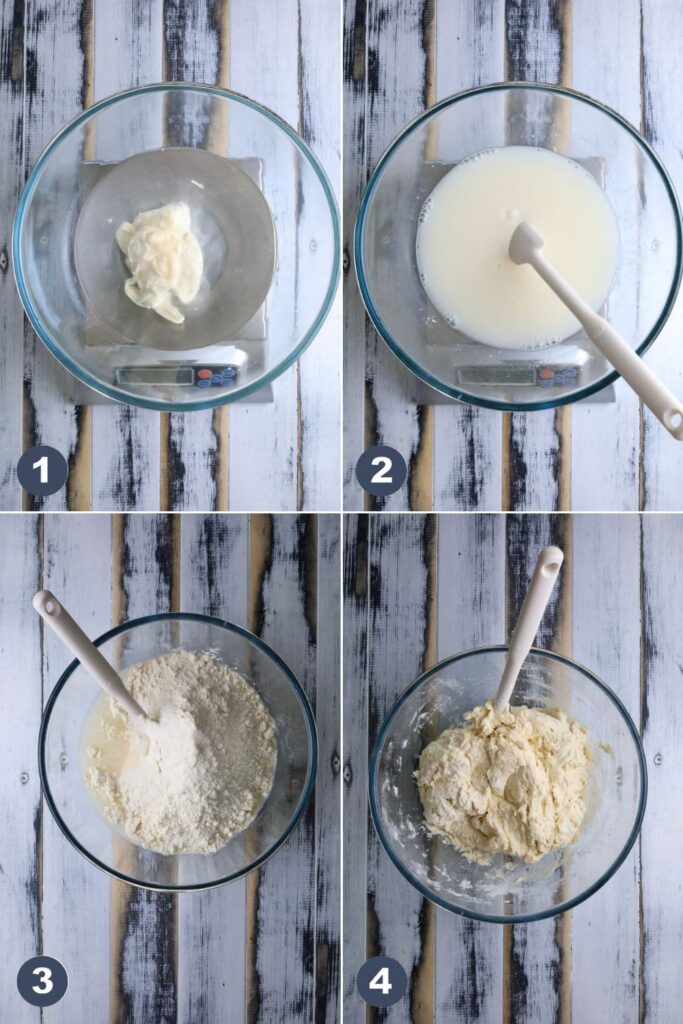
Start by mixing the sourdough starter with water in a large bowl until loosely combined. Add the flour and salt, then mix everything together until a shaggy dough forms. Cover the bowl and let the dough rest so it can hydrate and begin developing structure.
Step 2:
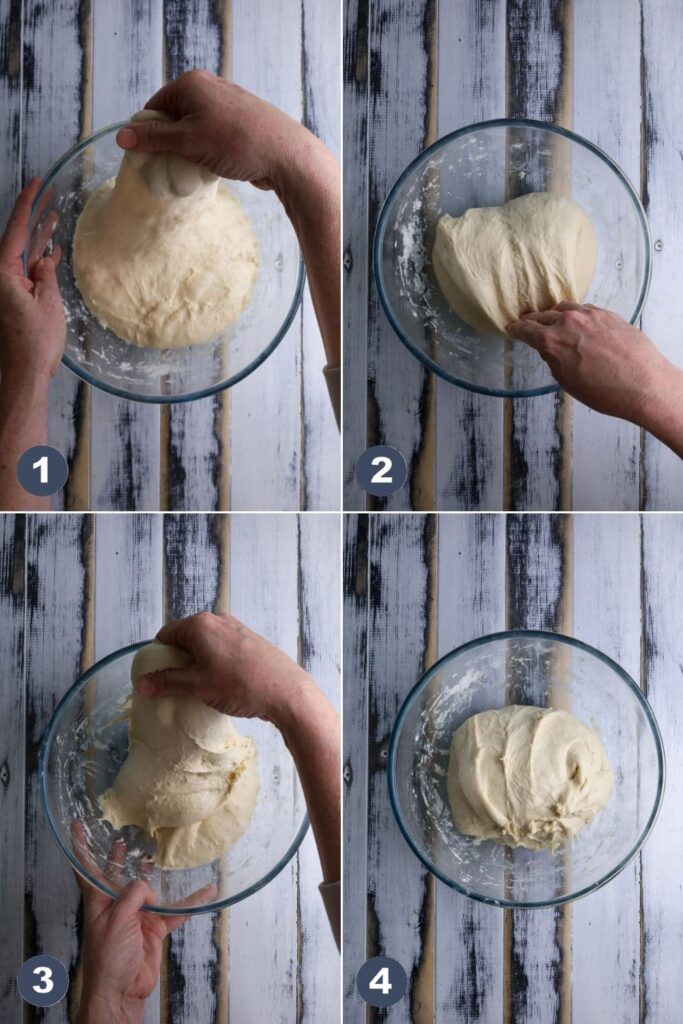
After resting, begin forming the dough by stretching and folding it over itself repeatedly until it becomes smoother and more elastic. Let it rest again, allowing the gluten to relax and strengthen naturally.
Step 3:
Continue performing stretch and fold sets over time, giving the dough short resting periods in between. This process builds structure without kneading and helps create an airy crumb.
Step 4:
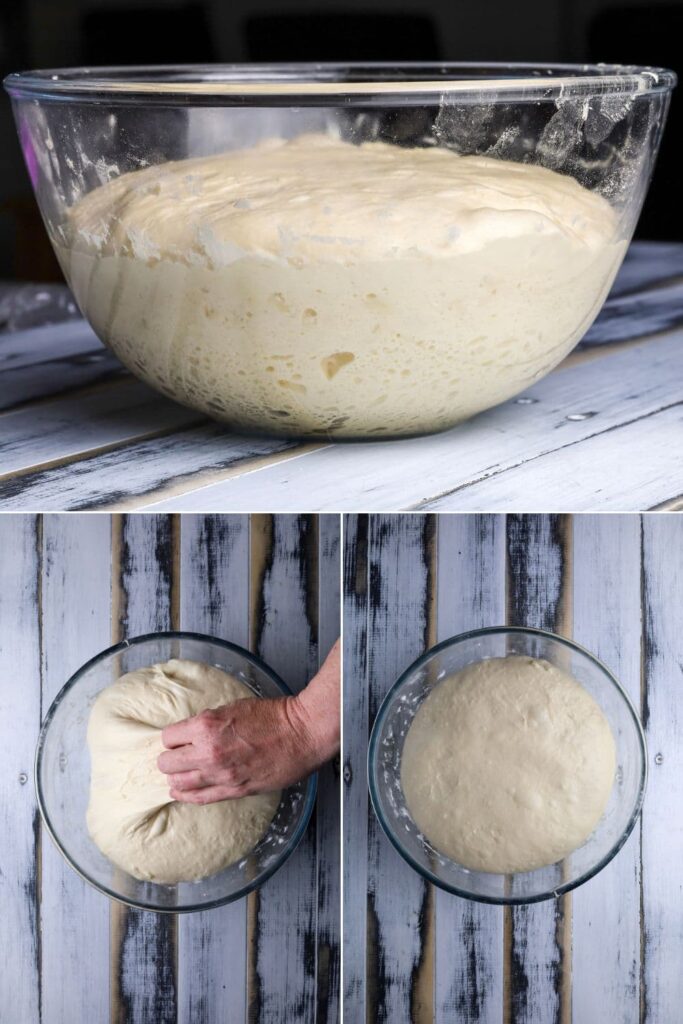
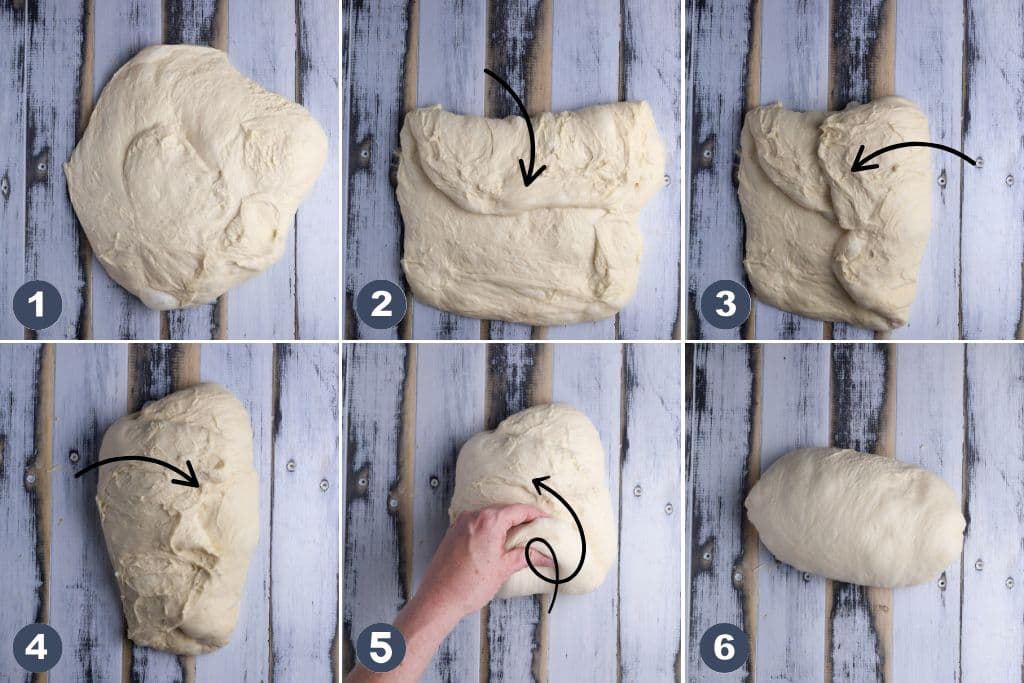
Once the dough has developed enough strength, allow it to bulk ferment until it has nearly doubled in size and shows visible air bubbles. Carefully turn the dough out onto a work surface and shape it into your desired form, either a round or oval loaf.
Step 5:
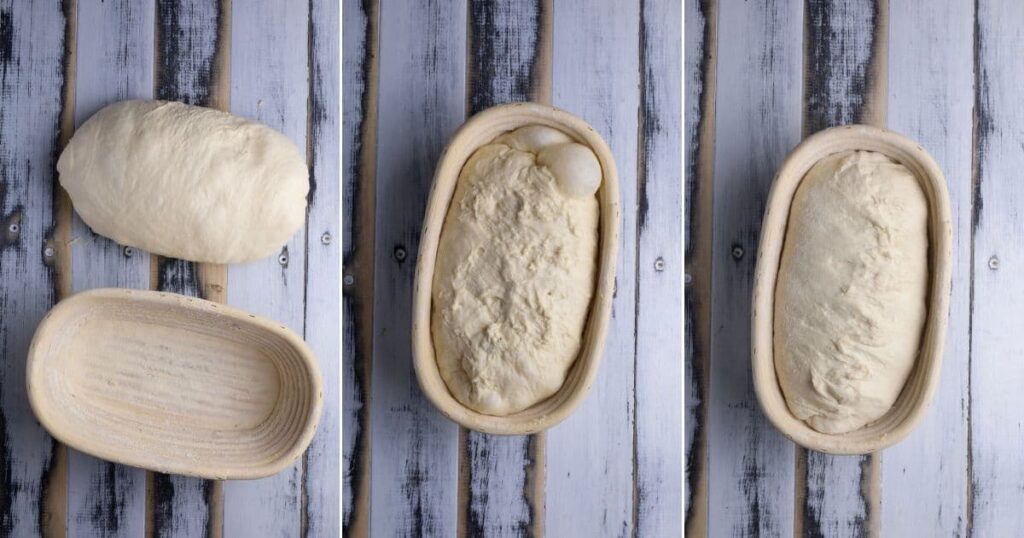
Place the shaped dough into a floured proofing basket with the seam side up. Cover and transfer it to the refrigerator for a cold fermentation, which enhances flavor and improves texture.
Step 6:
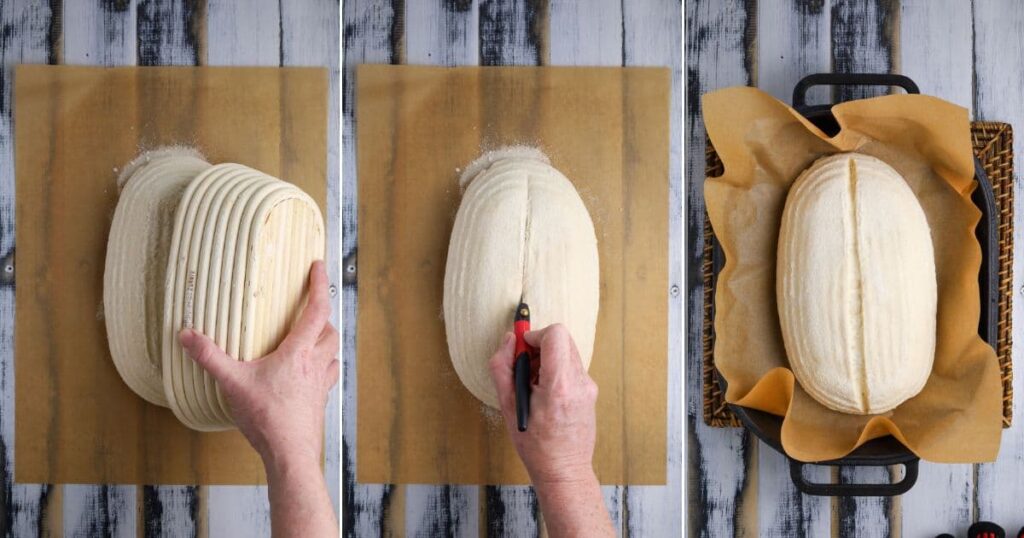
When ready to bake, preheat your oven with the Dutch oven inside until very hot. Remove the dough from the fridge, gently place it onto parchment paper, and score the top to control how it expands.
Step 7:
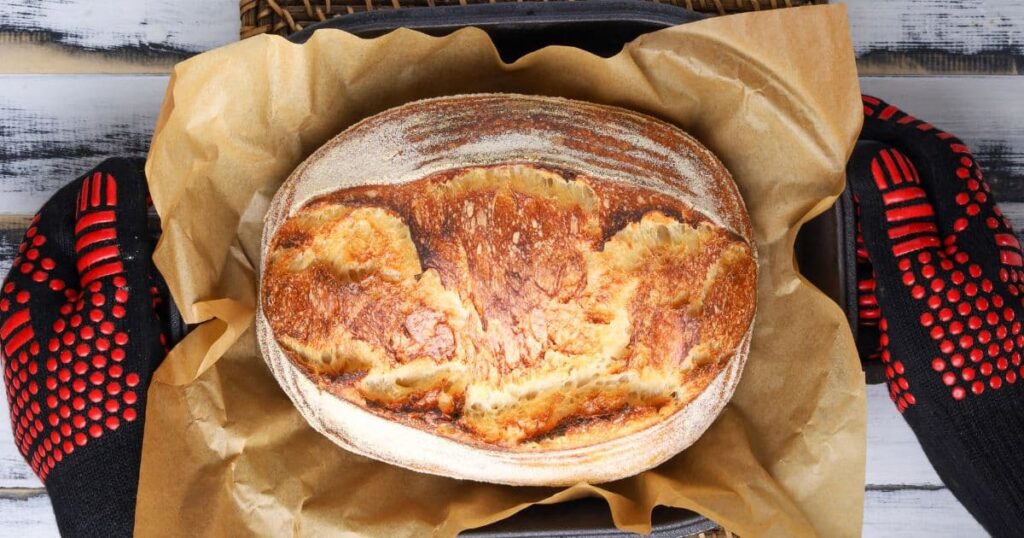
Carefully transfer the dough into the hot Dutch oven, cover it, and bake until the loaf rises and develops a deep golden crust. Remove the lid partway through baking to allow the crust to crisp further.
Step 8:
Once baked, transfer the bread to a wire rack and let it cool completely before slicing to preserve its structure and texture.
Sourdough Bread Recipe
Ingredients
Equipment
Method
- Start by mixing the sourdough starter with water in a large bowl until loosely combined. Add the flour and salt, then mix everything together until a shaggy dough forms. Cover the bowl and let the dough rest so it can hydrate and begin developing structure.
- After resting, begin forming the dough by stretching and folding it over itself repeatedly until it becomes smoother and more elastic. Let it rest again, allowing the gluten to relax and strengthen naturally.
- Continue performing stretch and fold sets over time, giving the dough short resting periods in between. This process builds structure without kneading and helps create an airy crumb.
- Once the dough has developed enough strength, allow it to bulk ferment until it has nearly doubled in size and shows visible air bubbles. Carefully turn the dough out onto a work surface and shape it into your desired form, either a round or oval loaf.
- Place the shaped dough into a floured proofing basket with the seam side up. Cover and transfer it to the refrigerator for a cold fermentation, which enhances flavor and improves texture.
- When ready to bake, preheat your oven with the Dutch oven inside until very hot. Remove the dough from the fridge, gently place it onto parchment paper, and score the top to control how it expands.
- Carefully transfer the dough into the hot Dutch oven, cover it, and bake until the loaf rises and develops a deep golden crust. Remove the lid partway through baking to allow the crust to crisp further.
- Once baked, transfer the bread to a wire rack and let it cool completely before slicing to preserve its structure and texture.
Notes
Nutritional Information
| Nutrient | Value |
|---|---|
| Calories | 1851 kcal |
| Carbohydrates | 372 g |
| Fat | 8 g |
| Protein | 61 g |
Note: Nutritional values are approximate and may vary depending on ingredient size, quality, brand, location, and the proportions used. All nutritional information is calculated on a per-serving basis.
If you are following a medically restrictive diet, please consult your doctor or registered dietitian before preparing this recipe for personal consumption.
Common Mistakes to Avoid
- Using an inactive starter, which results in poor rise and dense bread.
- Over-fermenting the dough, leading to a sour taste and weak structure.
- Skipping proper preheating of the Dutch oven, reducing oven spring.
- Adding too much flour during shaping, which can affect hydration.
- Cutting into the bread too early before it has cooled properly.
How I Like to Serve These
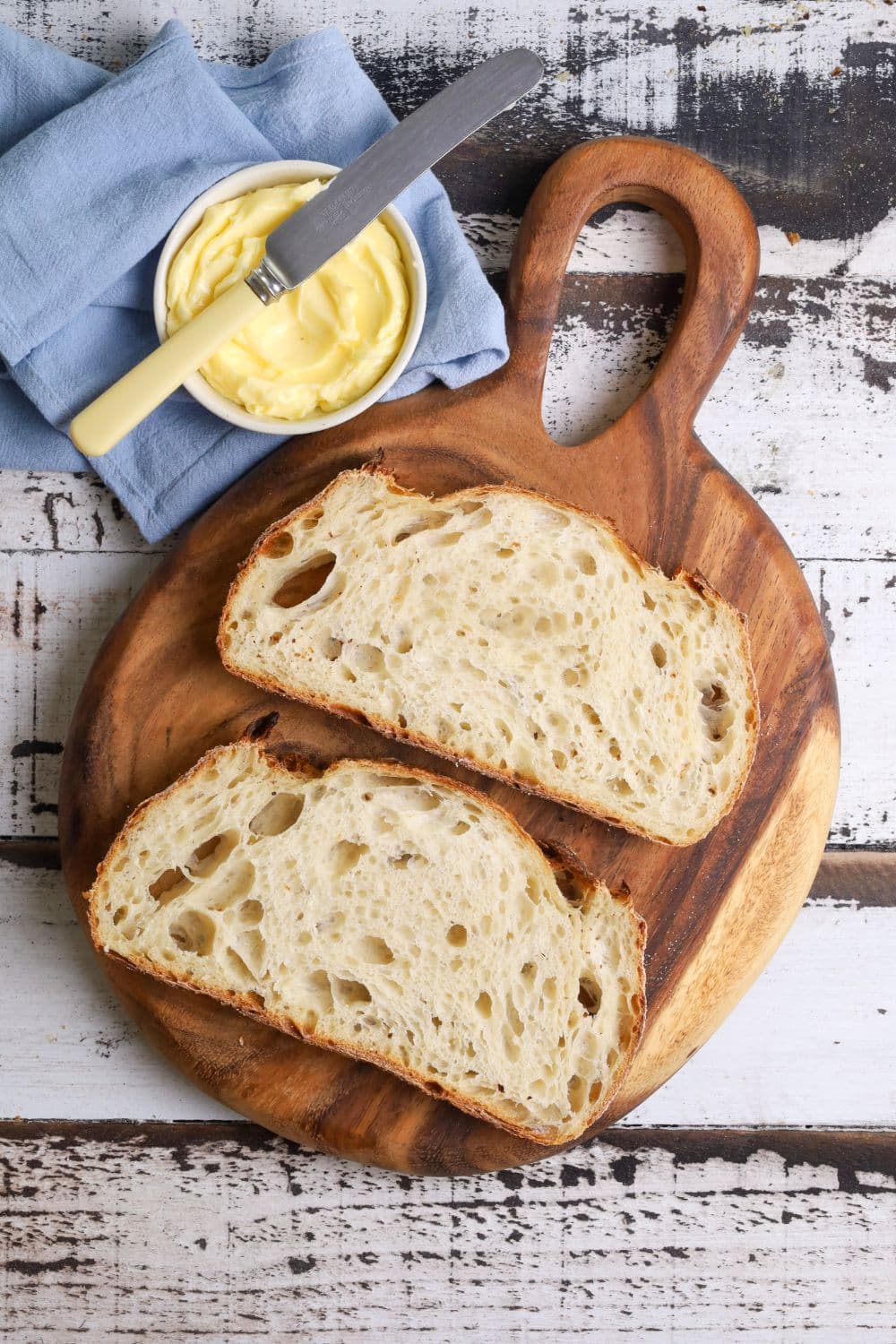
- Sliced and toasted with butter for a simple and satisfying breakfast option.
- Used as the base for hearty sandwiches with fresh vegetables and proteins.
- Served alongside soups and stews to soak up rich flavors.
- Paired with olive oil and balsamic vinegar for a light appetizer.
- Topped with avocado, eggs, or spreads for a nourishing meal.
Storage / Leftovers and Next-Day Thoughts
- Store at room temperature in a bread bag or wrapped in cloth to maintain crust texture.
- Avoid airtight containers if you want to keep the crust crisp.
- Slice and freeze portions for long-term storage and convenience.
- Reheat slices in a toaster or oven to restore freshness.
- Consume within a few days for the best flavor and texture.
FAQs
Can I use all-purpose flour instead of bread flour?
Yes, but the texture may be slightly softer and less chewy.
How do I know my dough is properly fermented?
It should be slightly jiggly, airy, and nearly doubled in size.
Can I skip the cold fermentation step?
You can, but the flavor and texture will not be as developed.
Why is my sourdough dense?
This is often due to an inactive starter or insufficient fermentation time.
Do I need a Dutch oven to bake this bread?
It helps significantly, but you can use other methods to create steam in the oven.