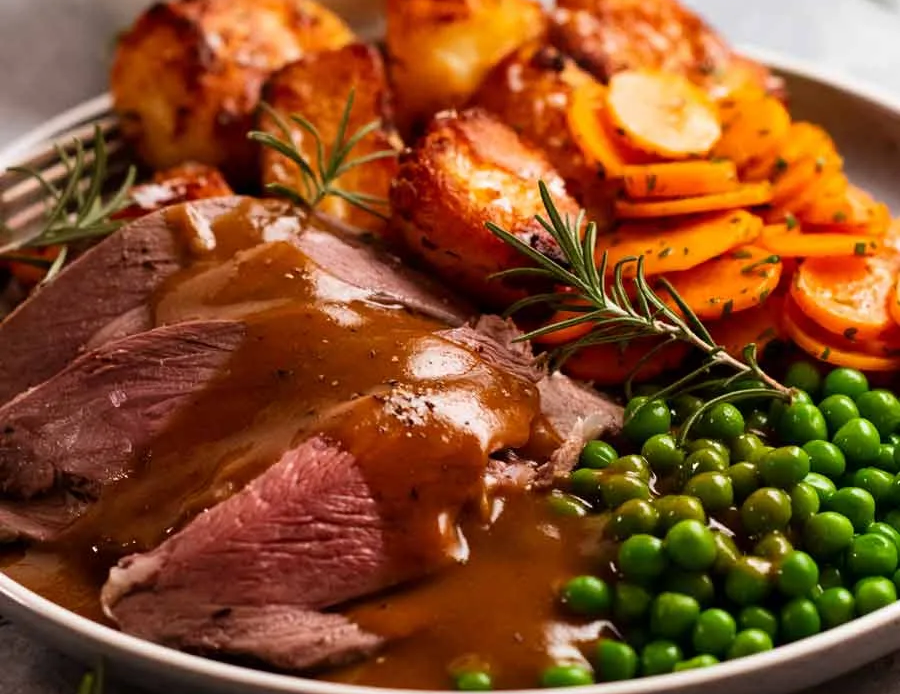
A beautifully roasted leg of lamb is the centerpiece that instantly elevates any Easter table. With its golden, herb-crusted exterior and juicy, tender interior, this dish feels both celebratory and deeply comforting.
The combination of fresh rosemary, garlic, and olive oil creates a fragrant crust, while slow roasting ensures the meat stays succulent and flavorful.
This recipe keeps things simple while delivering impressive results. The lamb roasts over a base of garlic, which not only enhances the flavor of the meat but also creates a rich foundation for a deeply savory gravy.
Whether you’re hosting a formal Easter dinner or a relaxed family gathering, this roast brings a sense of occasion without requiring complicated steps.
Why I Keep Making This Lamb?
I keep making this lamb because it consistently delivers that perfect balance of flavor and texture. The outside develops a beautifully caramelized crust while the inside stays juicy and tender, which is exactly what you want from a special-occasion roast.
Another reason is how forgiving it is. Once it’s in the oven, most of the work is done, giving you time to prepare sides or simply relax. It also scales well, making it ideal whether you’re cooking for a small group or a larger gathering.
Most importantly, it feels like a true celebration dish. Roast lamb has a way of bringing people together, and every time I make it, it turns an ordinary meal into something memorable.
Variations You Can Mess Around With
- Add Dijon mustard to the rub for extra depth
- Include thyme or oregano alongside rosemary
- Use lemon zest for a brighter, fresher flavor
- Add onions or carrots to the roasting base
- Try a honey glaze for a subtle sweetness
Pro Tips for Perfect Results
- Let the lamb come to room temperature before roasting
- Use a meat thermometer for precise doneness
- Rest the meat properly to retain juices
- Rub the seasoning thoroughly into all sides
- Do not skip the garlic base for better flavor
How to Make Roast Leg of Lamb?
Ingredients
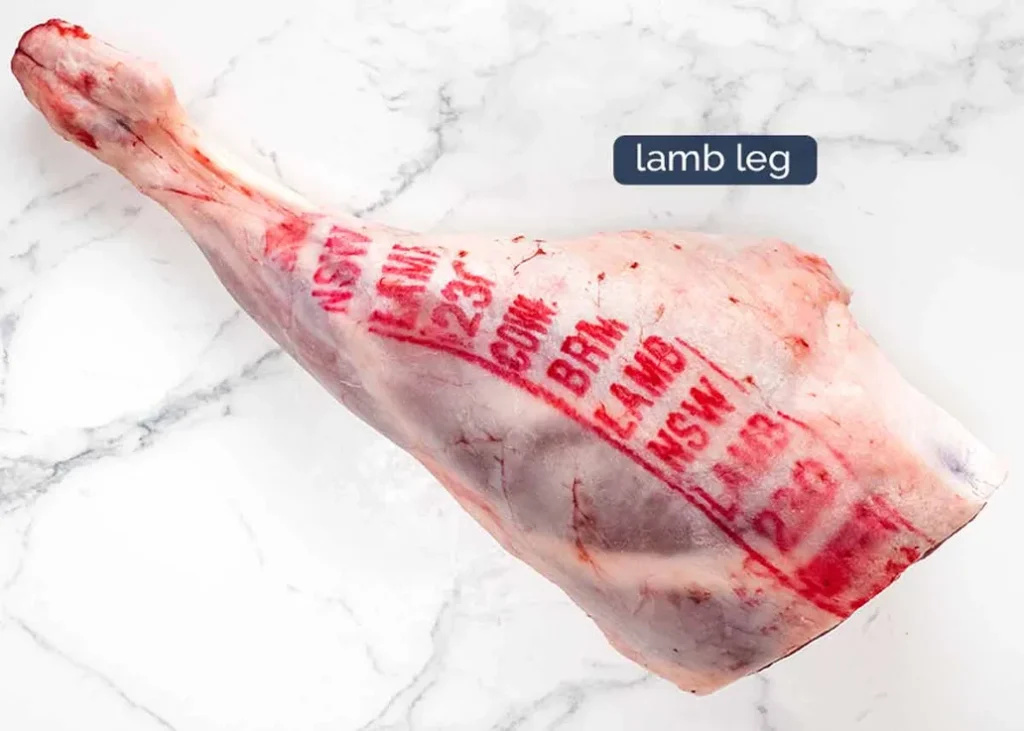
- 2.75 to 3 kg bone-in lamb leg
- 1 1/2 teaspoons salt
- 1/2 teaspoon black pepper
Rub
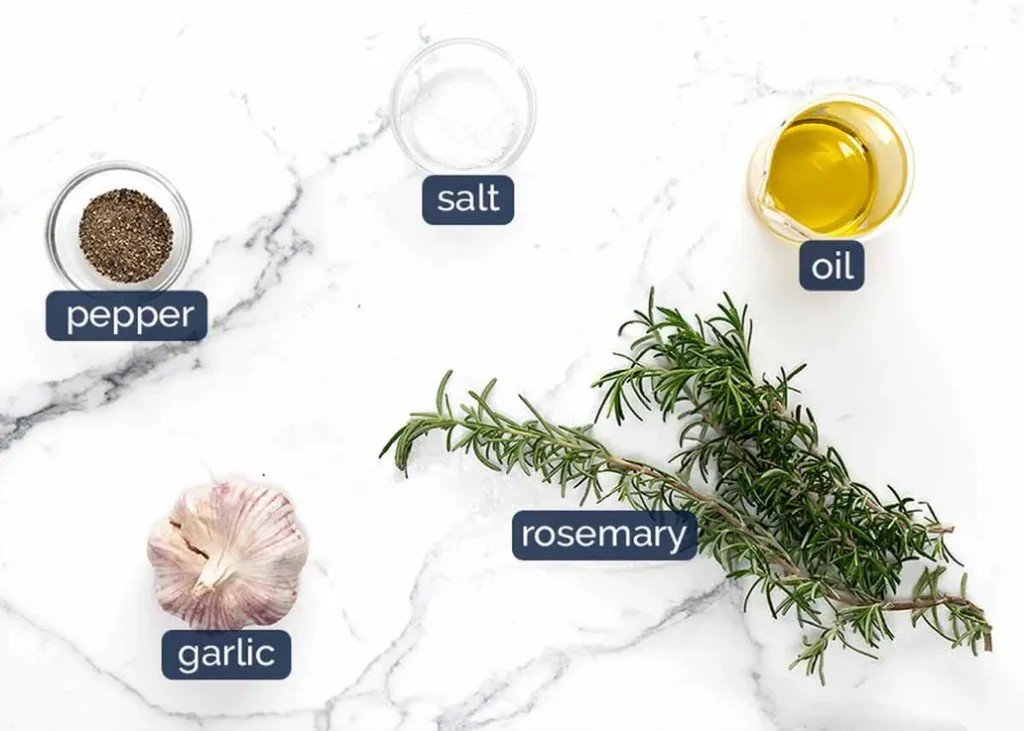
- 1 1/2 tablespoons fresh rosemary, finely chopped
- 3 garlic cloves, minced
- 2 tablespoons olive oil
Base
- 2 whole heads of garlic, halved
- Rosemary sprigs (optional)
Gravy
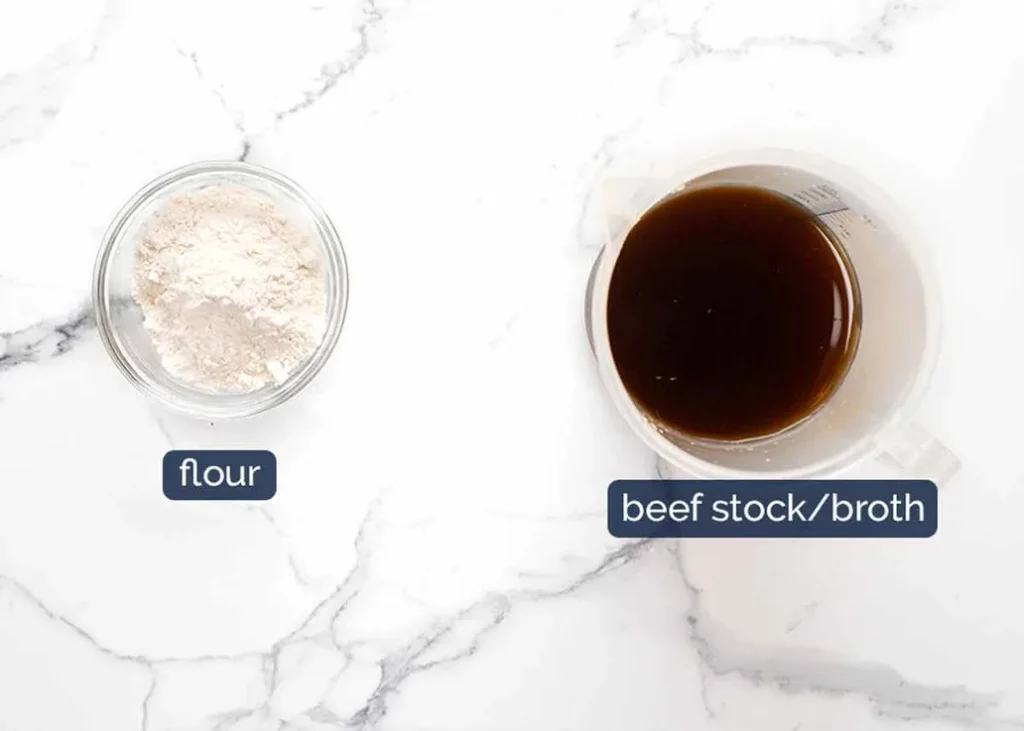
- 4 tablespoons all-purpose flour
- 2 1/2 cups beef broth
Instructions
Step 1:
Take the lamb out of the refrigerator and allow it to sit at room temperature for at least one hour.
Step 2:
Preheat the oven to a high temperature and position the rack in the middle.
Step 3:
Mix rosemary, garlic, and olive oil to form the rub.
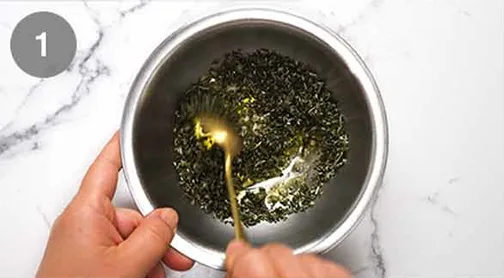
Step 4:
Place the lamb in a roasting pan and coat it evenly with the rub. Sprinkle with salt and pepper. Arrange the halved garlic and rosemary sprigs underneath.
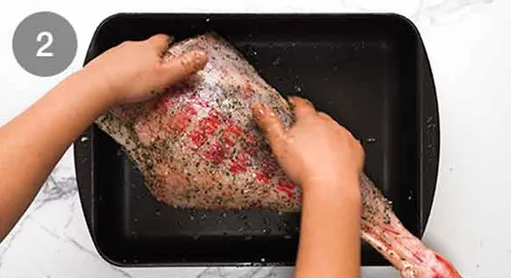
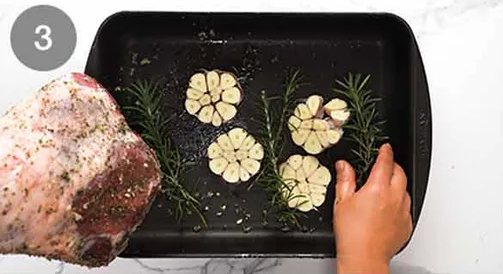
Step 5:
Roast the lamb at high heat first, then reduce the temperature and continue roasting until it reaches your desired doneness.
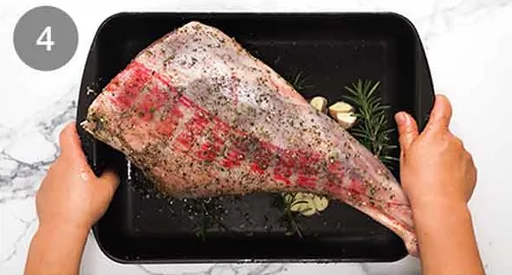
Step 6:
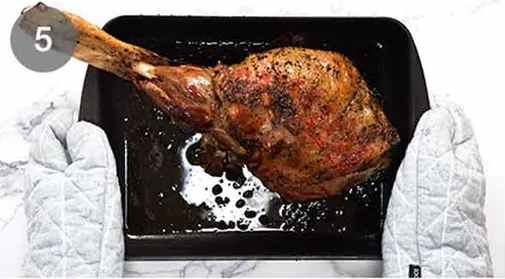
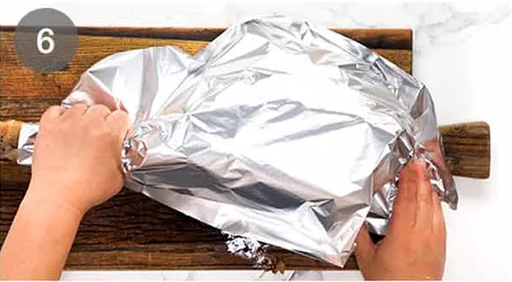
Remove the lamb from the oven and transfer it to a plate. Cover loosely with foil and let it rest before slicing.
Step 7:
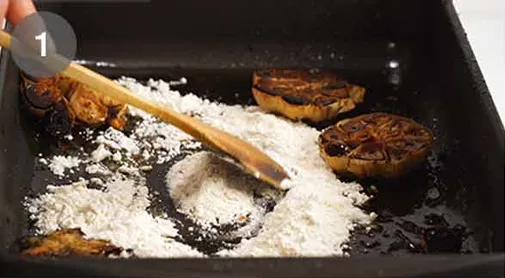
For the gravy, place the roasting pan on the stove over medium heat. Add flour to the drippings and cook briefly.
Step 8:
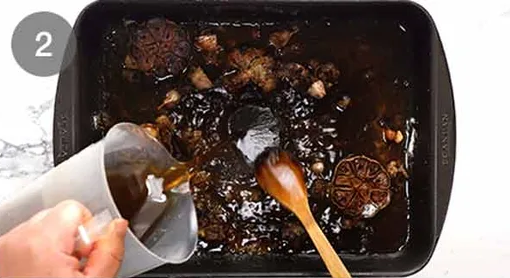
Pour in the broth gradually, stirring to combine and dissolve the drippings.
Step 9:
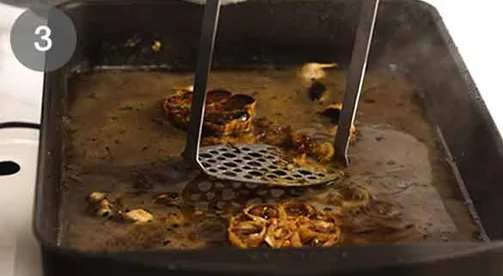
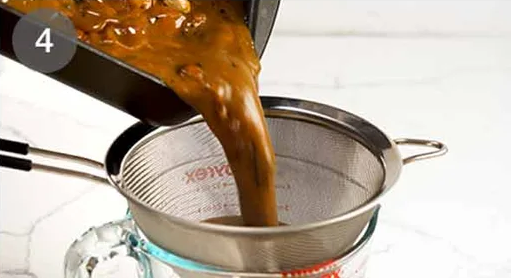
Mash the roasted garlic into the gravy, then simmer until it thickens slightly. Strain if desired and serve alongside the lamb.
Roast Leg of Lamb Recipe
Ingredients
Method
- Take the lamb out of the refrigerator and allow it to sit at room temperature for at least one hour.
- Preheat the oven to a high temperature and position the rack in the middle.
- Mix rosemary, garlic, and olive oil to form the rub.
- Place the lamb in a roasting pan and coat it evenly with the rub. Sprinkle with salt and pepper. Arrange the halved garlic and rosemary sprigs underneath.
- Roast the lamb at high heat first, then reduce the temperature and continue roasting until it reaches your desired doneness.
- Remove the lamb from the oven and transfer it to a plate. Cover loosely with foil and let it rest before slicing.
- For the gravy, place the roasting pan on the stove over medium heat. Add flour to the drippings and cook briefly.
- Pour in the broth gradually, stirring to combine and dissolve the drippings.
- Mash the roasted garlic into the gravy, then simmer until it thickens slightly. Strain if desired and serve alongside the lamb.
Notes
Nutritional Information
| Nutrition | Value |
| Calories | 450 kcal |
| Carbohydrates | 3.3 gm |
| Fat | 22.7gm |
| Protein | 54.6 gm |
Note: Nutritional values are approximate and may vary depending on ingredient size, quality, brand, location, and the proportions used. All nutritional information is calculated on a per-serving basis.
If you are following a medically restrictive diet, please consult your doctor or registered dietitian before preparing this recipe for personal consumption.
Common Mistakes to Avoid
- Cooking the lamb straight from the fridge
- Skipping the resting time after roasting
- Overcooking due to not checking internal temperature
- Not seasoning the meat thoroughly
- Making gravy too thick too quickly
How I Like to Serve These
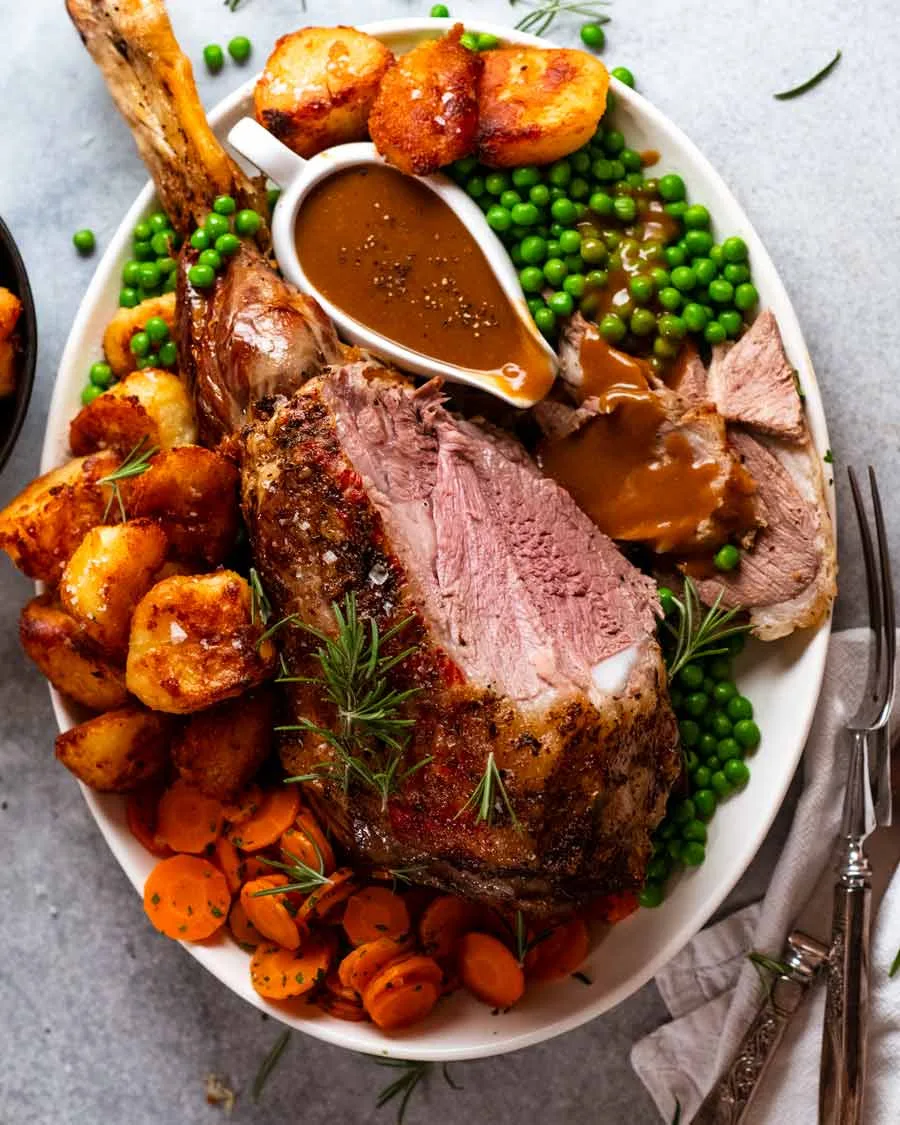
- With crispy roast potatoes
- Alongside buttered carrots and peas
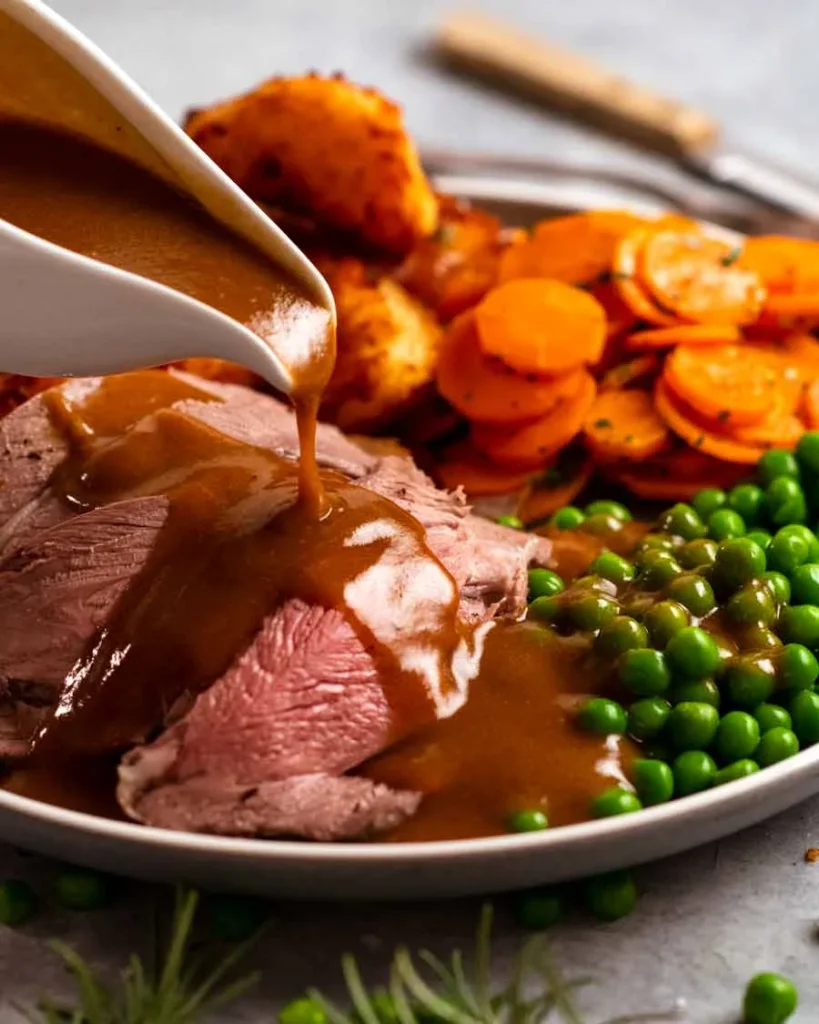
- With a generous pour of homemade gravy
- Paired with fresh herb salad
- Served with warm bread on the side
Storage / Leftovers and Next-Day Thoughts
- Store leftovers in an airtight container in the refrigerator
- Consume within three days for best quality
- Slice thinly for sandwiches or wraps
- Reheat gently to avoid drying out
- Use leftovers in stews or salads
FAQs
Can I use boneless lamb?
Yes, but cooking time may vary and it can be slightly less juicy.
What is the best doneness for lamb?
Medium-rare is preferred for tenderness and flavor.
Do I need a meat thermometer?
It is highly recommended for accurate results.
Can I prepare this in advance?
You can season the lamb ahead, but roast it fresh for best results.
Why is resting important?
Resting allows the juices to redistribute, keeping the meat moist.