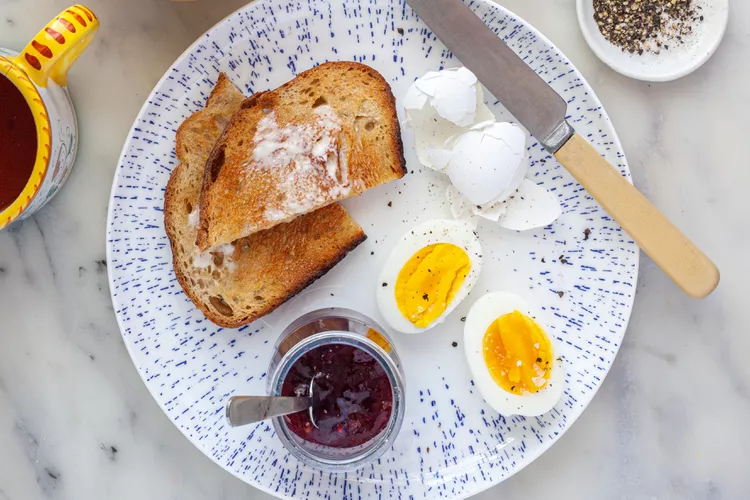
Perfect hard-boiled eggs are one of those simple kitchen basics that everyone should master. While only 1 ingredient is required, getting the texture just right can make a huge difference.
Done properly, the whites should be tender, the yolks creamy and fully set, and the shells easy to peel without frustration.
This method focuses on consistency and ease. By controlling heat and timing carefully, you can avoid common issues like rubbery whites or greenish yolks.
Whether you are prepping for breakfast, salads, or snacks throughout the week, this reliable approach ensures your eggs turn out exactly how you like them every single time.
Why I Keep Making Hard-Boiled Eggs?
I keep boiled eggs using this method because it removes all the guesswork from boiling eggs. Once you understand the timing and process, it becomes incredibly reliable, and you can make a perfect batch without constantly checking or worrying about overcooking.
It is one of those techniques that quickly becomes second nature in the kitchen.
Another reason I rely on this recipe is how versatile hard-boiled eggs are. They can be used in so many ways, from quick breakfasts to protein-packed snacks and meal prep additions.
Having a batch ready in the fridge makes it easy to put together meals without extra effort during busy days.
Finally, this method consistently produces eggs that are easy to peel. That alone makes it worth repeating, especially if you have ever struggled with shells sticking stubbornly to the whites.
The cooling process and simple adjustments make a noticeable difference in the final result.
Variations You Can Mess Around With
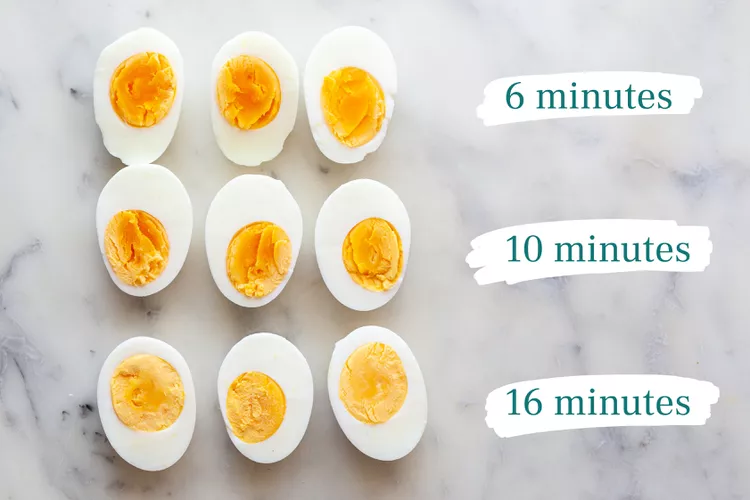
- Adjust the resting time to achieve softer or slightly jammy yolks instead of fully firm centers.
- Add a teaspoon of vinegar to the water to help prevent egg whites from leaking if a shell cracks.
- Include a small amount of salt in the water, which some find helpful for easier peeling.
- Use an ice bath immediately after cooking for quicker cooling and better texture control.
- Try steaming instead of boiling if you want even more consistent peeling results.
Pro Tips for Perfect Results
- Start with eggs straight from the fridge to maintain consistent cooking times.
- Use enough water to fully cover the eggs with at least an inch or two above them.
- Avoid overcrowding the pan so the eggs cook evenly.
- Let the eggs sit in hot water rather than boiling continuously to prevent overcooking.
- Cool the eggs quickly under cold water or in an ice bath to stop the cooking process.
How to Make Perfect Hard-Boiled Eggs?
Ingredients
- 6 to 12 large eggs
Equipment
- Saucepan
- Lid
- Slotted spoon
- Bowl (for ice bath, optional)
- Strainer
Instructions
Step 1:
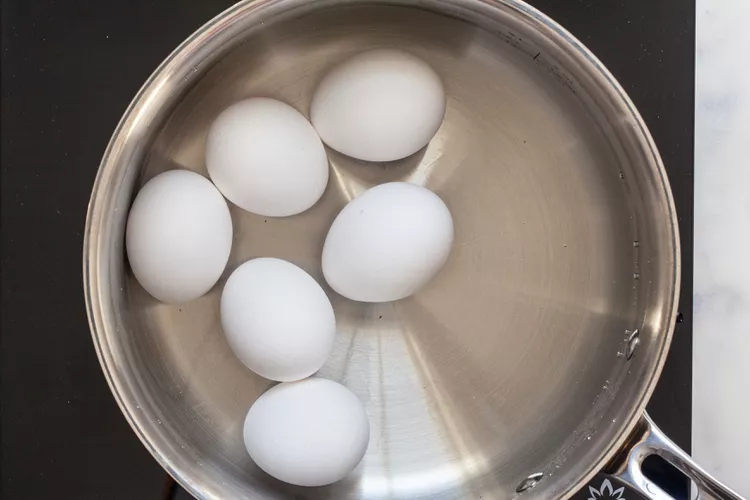
Place the eggs in a saucepan in a single layer and add enough cold water to cover them by at least an inch or two.
Step 2:
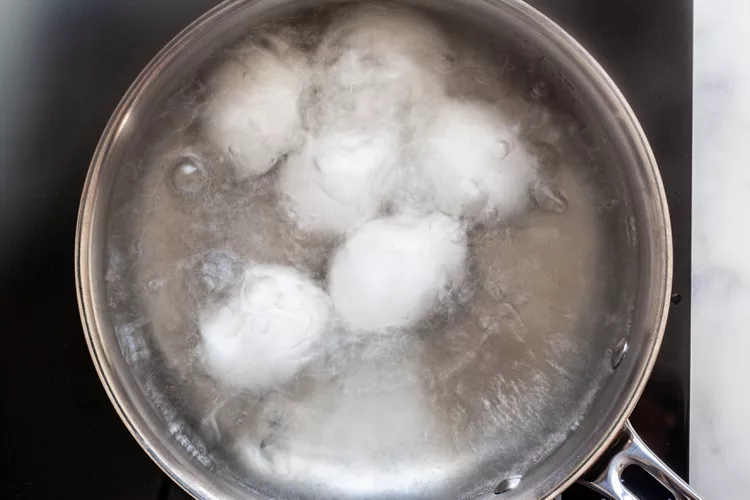
Set the pan over high heat and bring the water to a rolling boil without covering the pan.
Step 3:
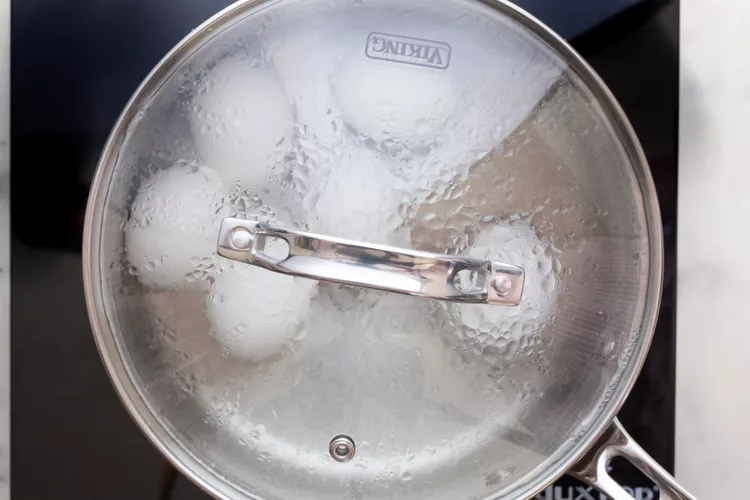
Once the water reaches a boil, turn off the heat, cover the pan with a lid, and allow the eggs to sit in the hot water until they reach your desired doneness.
Step 4:
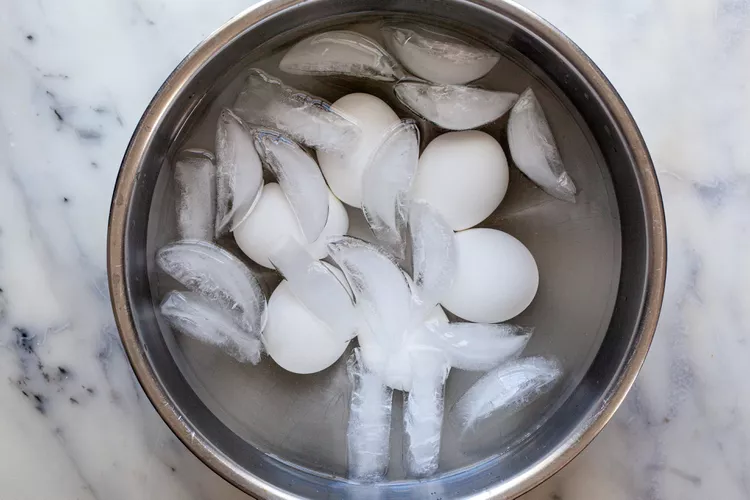
Carefully drain the hot water and immediately run cold water over the eggs or transfer them to a bowl of ice water to stop the cooking process.
Step 5:
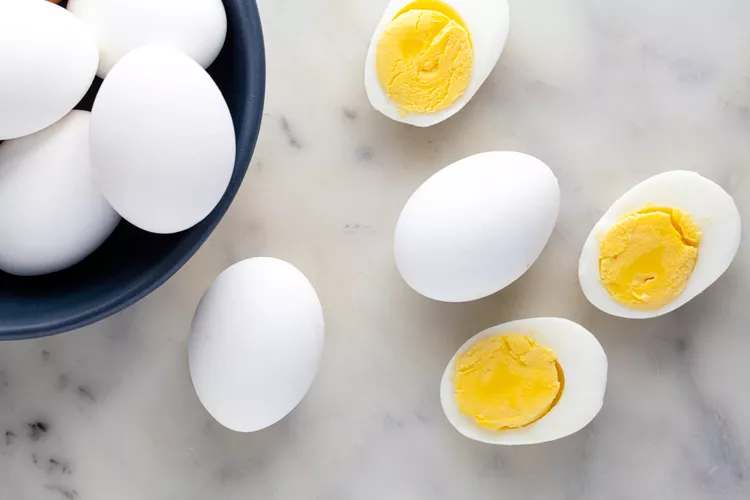
Allow the eggs to cool completely before peeling, or store them unpeeled in the refrigerator for later use.
Perfect Hard Boiled Eggs Recipe
Ingredients
Equipment
Method
- Place the eggs in a saucepan in a single layer and add enough cold water to cover them by at least an inch or two.
- Set the pan over high heat and bring the water to a rolling boil without covering the pan.
- Once the water reaches a boil, turn off the heat, cover the pan with a lid, and allow the eggs to sit in the hot water until they reach your desired doneness.
- Carefully drain the hot water and immediately run cold water over the eggs or transfer them to a bowl of ice water to stop the cooking process.
- Allow the eggs to cool completely before peeling, or store them unpeeled in the refrigerator for later use.
Notes
Nutritional Information (Per Serving)
| Nutrient | Amount |
|---|---|
| Calories | 72 |
| Carbohydrates | 0 g |
| Fat | 5 g |
| Protein | 6 g |
Note: Nutritional values are approximate and may vary depending on ingredient size, quality, brand, location, and the proportions used. All nutritional information is calculated on a per-serving basis.
If you are following a medically restrictive diet, please consult your doctor or registered dietitian before preparing this recipe for personal consumption.
Common Mistakes to Avoid
- Boiling the eggs too aggressively for the entire cooking time, which can make them rubbery.
- Skipping the cold water step, causing the eggs to overcook and develop a greenish yolk ring.
- Using too little water, leading to uneven cooking.
- Cracking eggs by dropping them into the pan instead of placing them gently.
- Peeling eggs while they are still too hot, which can make the shells stick more.
How I Like to Serve These
- Sliced with a sprinkle of salt and pepper for a simple snack.
- Chopped into salads for added protein and texture.
- Mashed with mayo and seasoning to make a quick egg salad.
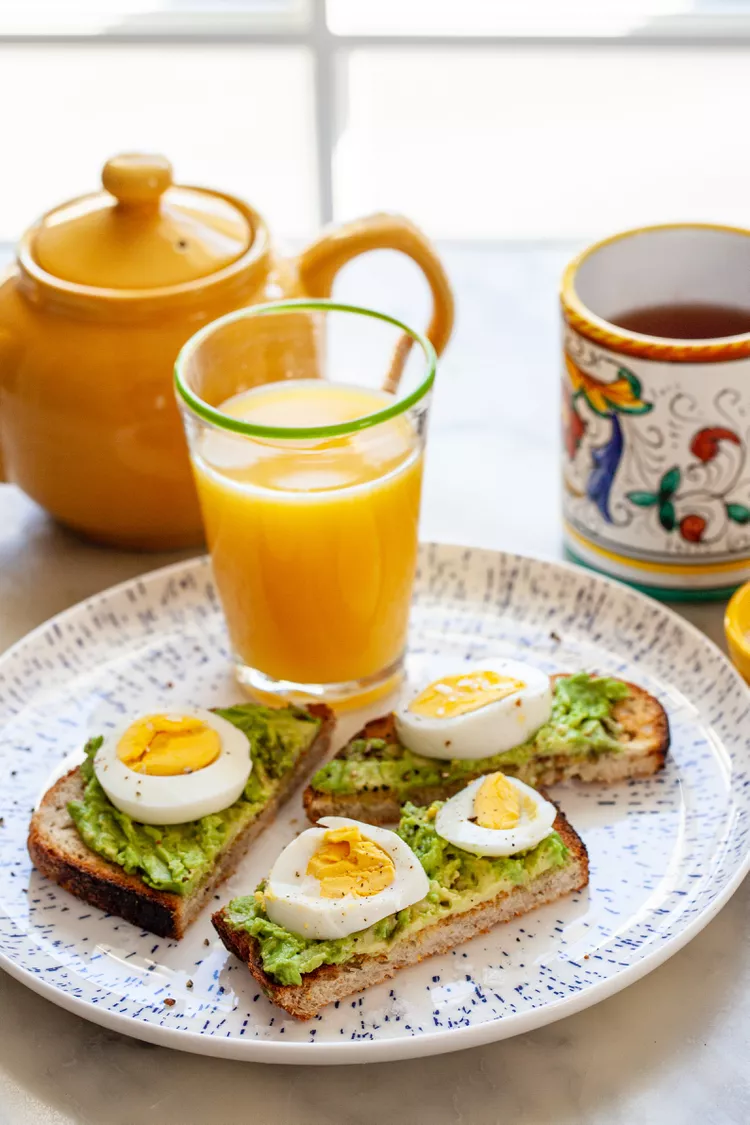
- Served alongside toast for a balanced breakfast.
- Used as a topping for grain bowls or rice dishes.
Storage / Leftovers and Next-Day Thoughts
- Store unpeeled eggs in a covered container in the refrigerator for up to five days.
- Keep peeled eggs in an airtight container and consume within one to two days.
- Avoid leaving eggs uncovered in the fridge to prevent odor absorption.
- Label batches if preparing ahead for meal prep to track freshness.
- Do not freeze hard boiled eggs, as the texture becomes unpleasant.
FAQs
How long should I let the eggs sit in hot water?
The resting time depends on how firm you want the yolks, but around ten to twelve minutes works well for fully set eggs.
Why are my eggs hard to peel?
Very fresh eggs can be harder to peel, and skipping the cooling step can also make peeling difficult.
Can I make soft-boiled eggs with this method?
Yes, simply reduce the resting time to achieve a softer center.
Is it necessary to use an ice bath?
It is not required, but it helps stop cooking quickly and makes peeling easier.
Can I cook a large batch at once?
Yes, just ensure the eggs are not overcrowded and are fully covered with water.