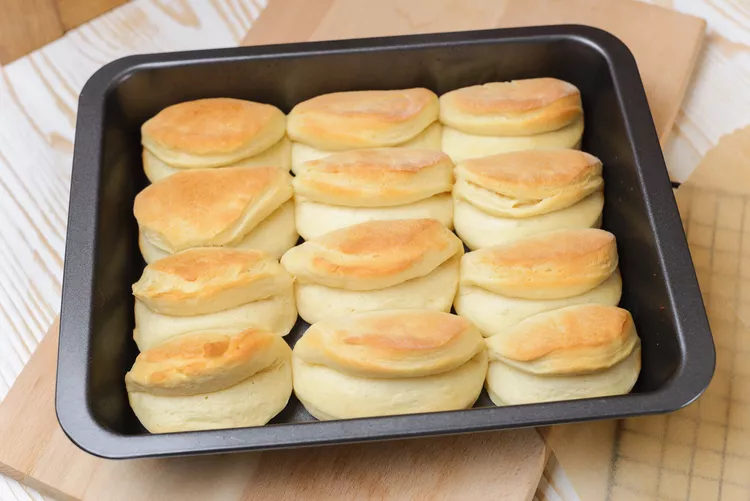
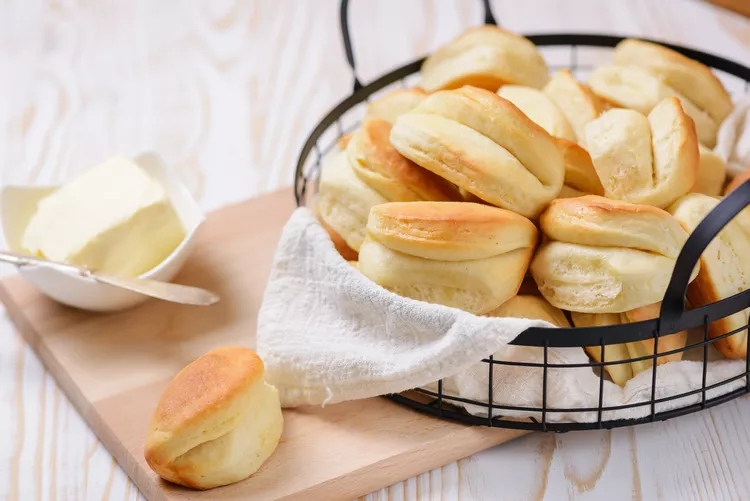
Soft, buttery, and beautifully golden, Parker House Rolls are a timeless addition to any Easter table. These classic dinner rolls are known for their signature folded shape, tender crumb, and rich buttery flavor that melts in your mouth with every bite.
Whether served alongside a festive ham, roasted chicken, or a full holiday spread, they bring warmth and comfort to the meal.
What makes these rolls especially special is their texture. They are light and fluffy on the inside with a delicate golden exterior, thanks to a double rise and generous brushing of butter.
While they may look bakery-worthy, they’re surprisingly simple to make at home with just a bit of patience and care.
Why I Keep Making These Rolls?
I keep making these rolls because they instantly elevate any meal, especially during holidays like Easter. There’s something incredibly satisfying about serving freshly baked bread that’s warm, soft, and brushed with melted butter.
They are also incredibly versatile. These rolls pair well with everything from hearty mains to light soups, and they can even double as mini sandwich buns the next day.
The dough is forgiving, and once you get the hang of shaping them, the process becomes almost therapeutic.
Most importantly, they bring that homemade touch that store-bought bread just cannot replicate. The aroma alone makes the effort worthwhile, and they always disappear quickly from the table.
Variations You Can Try
- Add garlic butter instead of plain butter for extra flavor
- Sprinkle flaky sea salt on top before baking
- Brush with honey butter for a slightly sweet finish
- Add fresh herbs like rosemary or thyme into the dough
- Use whole wheat flour for a slightly nuttier texture
Pro Tips for Perfect Results
- Use warm liquid, not hot, to activate the yeast properly
- Let the dough rise in a warm, draft-free spot for best results
- Do not over-flour the dough to keep the rolls soft
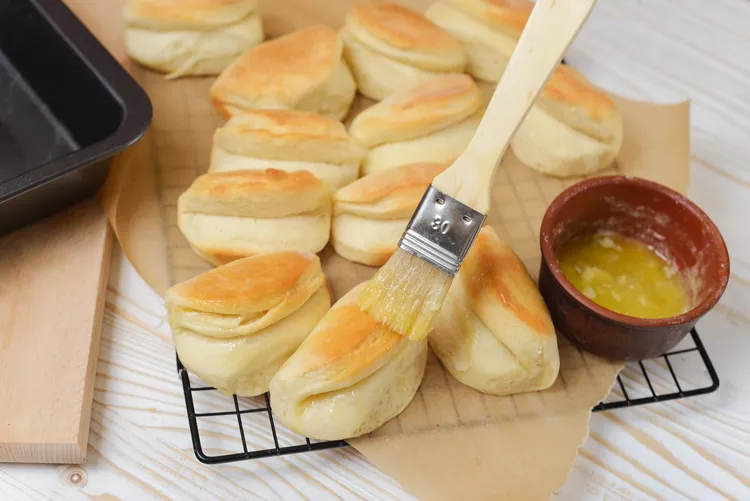
- Brush with butter both before and after baking for maximum flavor
- Pinch the folds gently so they hold their shape while baking
How to Make Parker House Rolls?
Ingredients
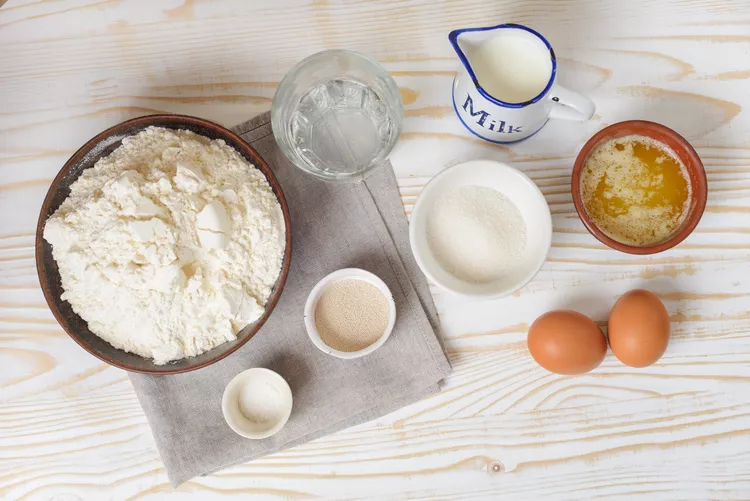
- 1/2 cup milk
- 1/2 cup water
- 1/2 ounce dry yeast
- 1/3 cup unsalted butter, melted, plus more for brushing
- 1 teaspoon salt
- 3 tablespoons sugar
- 2 large eggs
- 4 1/2 to 5 cups all-purpose flour
Equipment
- Mixing bowls
- Stand mixer or wooden spoon
- Rolling pin
- Cookie cutter
- Baking pans
- Pastry brush
Instructions
Step 1:
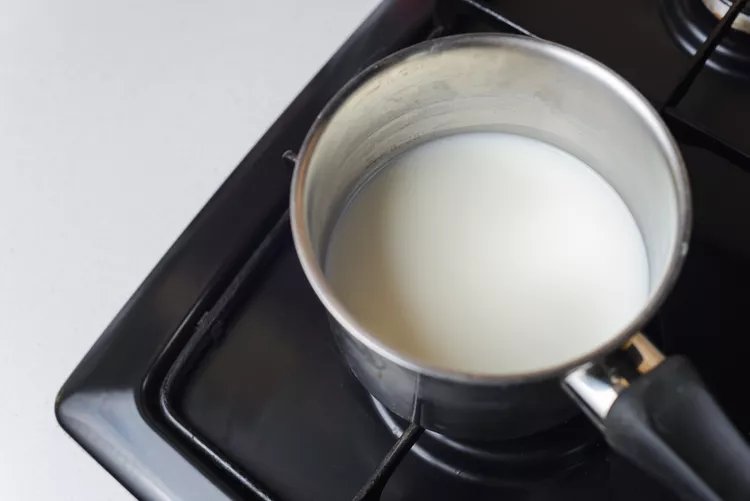
Warm the milk and water gently until just warm to the touch.
Step 2:
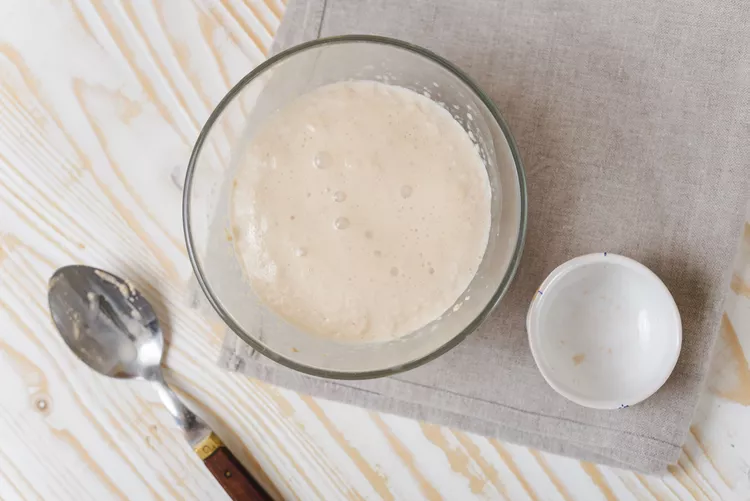
Combine a portion of the warm liquid with the yeast and let it sit until it becomes bubbly and activated.
Step 3:
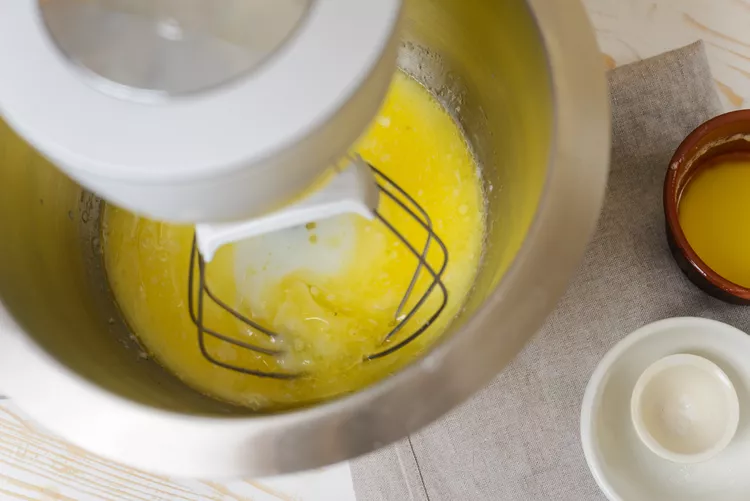
In a large bowl, mix the remaining liquid with melted butter, salt, and sugar until dissolved.
Step 4:
Add the eggs and the activated yeast mixture, stirring until combined.
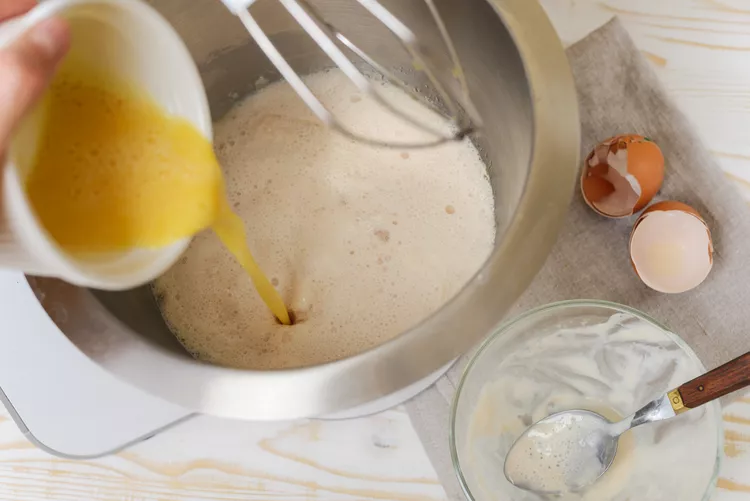
Step 5:
Gradually incorporate the flour until a soft dough forms, mixing until it becomes too stiff to stir and then finishing by hand if needed.
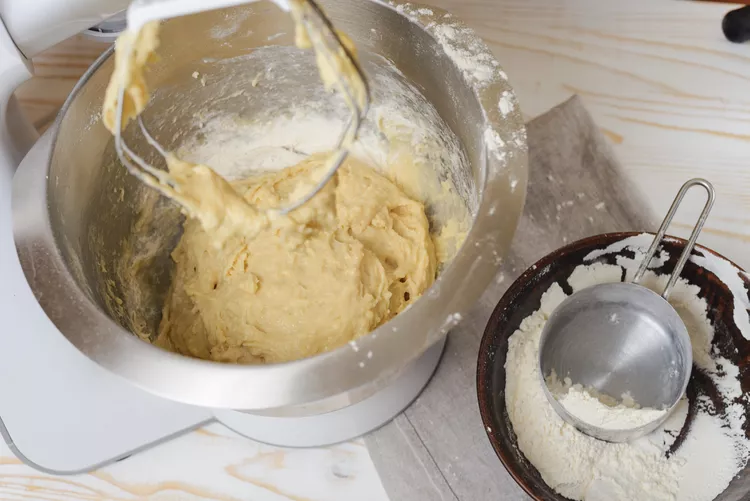
Step 6:
Transfer the dough to a floured surface and knead until smooth and elastic.
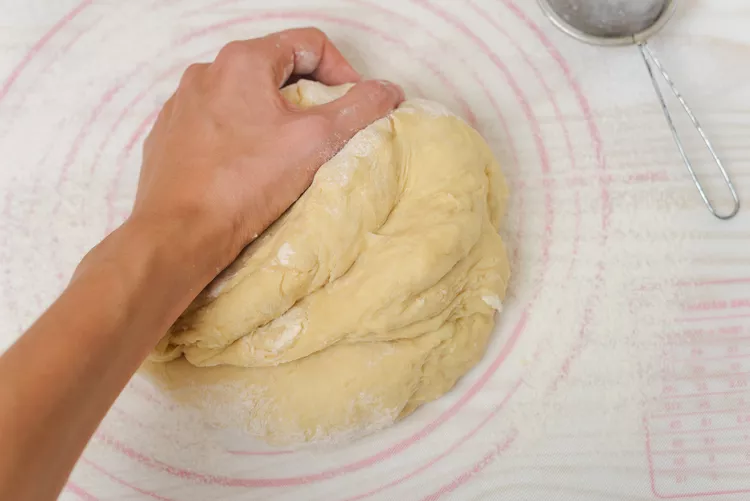
Step 7:
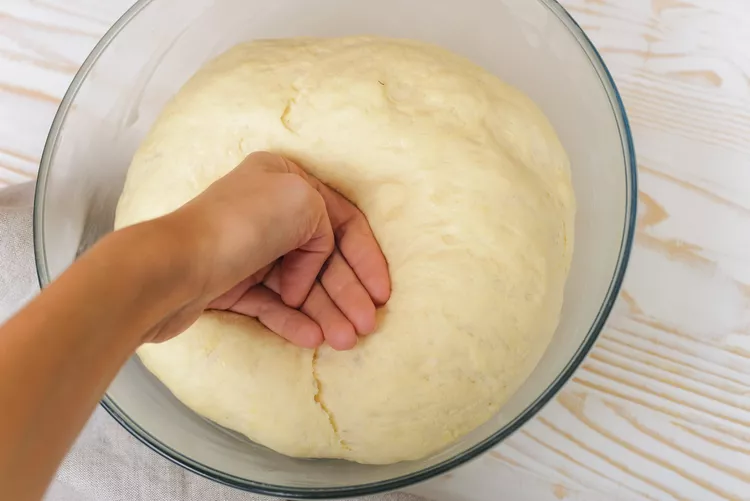
Place the dough in a greased bowl, cover, and allow it to rise until doubled in size.
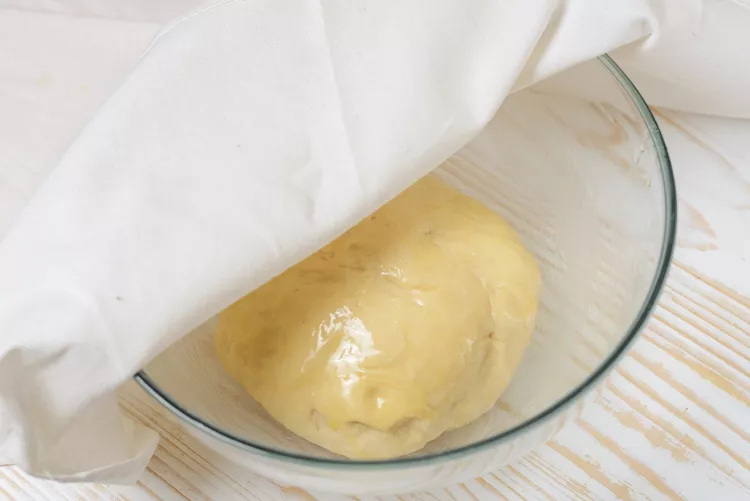
Step 8:
Punch down the dough and roll it out to about half-inch thickness.
Step 9:
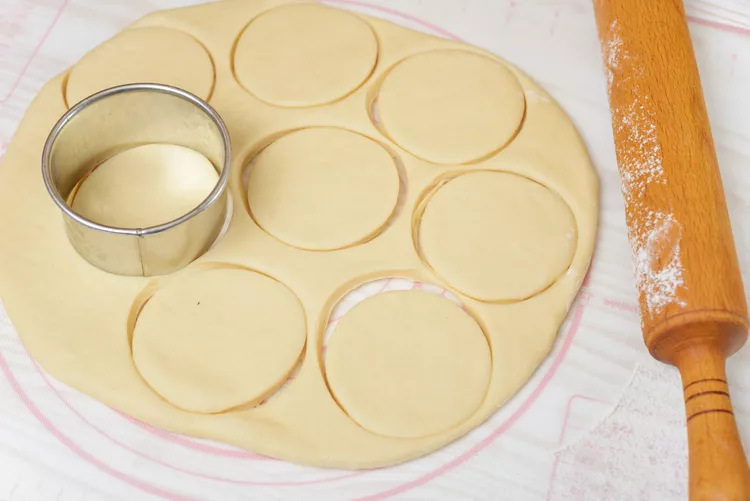
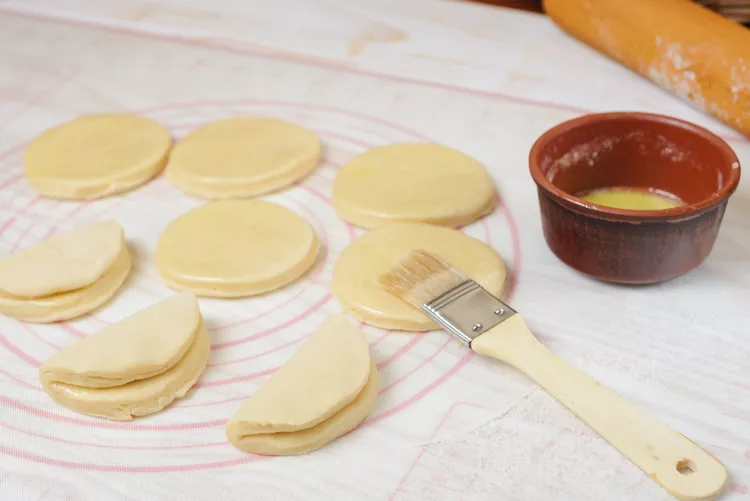
Cut into rounds, brush with butter, and fold each piece in half, lightly pinching the edge.
Step 10:
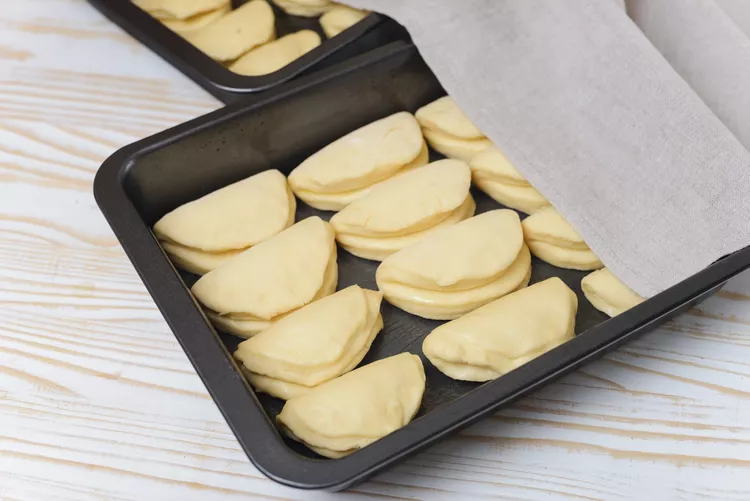
Arrange the rolls in greased baking pans, cover, and let them rise again until puffy and doubled.
Step 11:
Bake until golden brown, then remove from the oven and brush with more melted butter before serving.
Parker House Rolls Recipe
Ingredients
Equipment
Method
- Warm the milk and water gently until just warm to the touch.
- Combine a portion of the warm liquid with the yeast and let it sit until it becomes bubbly and activated.
- In a large bowl, mix the remaining liquid with melted butter, salt, and sugar until dissolved.
- Add the eggs and the activated yeast mixture, stirring until combined.
- Gradually incorporate the flour until a soft dough forms, mixing until it becomes too stiff to stir and then finishing by hand if needed.
- Transfer the dough to a floured surface and knead until smooth and elastic.
- Place the dough in a greased bowl, cover, and allow it to rise until doubled in size.
- Punch down the dough and roll it out to about half-inch thickness.
- Cut into rounds, brush with butter, and fold each piece in half, lightly pinching the edge.
- Arrange the rolls in greased baking pans, cover, and let them rise again until puffy and doubled.
- Bake until golden brown, then remove from the oven and brush with more melted butter before serving.
Notes
Nutritional Information
| Nutrition | Value |
| Calories | 134 kcal |
| Carbohydrates | 22 gm |
| Fat | 3 gm |
| Protein | 4 gm |
Note: Nutritional values are approximate and may vary depending on ingredient size, quality, brand, location, and the proportions used. All nutritional information is calculated on a per-serving basis.
If you are following a medically restrictive diet, please consult your doctor or registered dietitian before preparing this recipe for personal consumption.
Common Mistakes to Avoid
- Using liquid that is too hot, which can kill the yeast
- Adding too much flour, resulting in dense rolls
- Skipping the second rise, which affects texture
- Not sealing the folds, causing rolls to open while baking
- Overbaking, which can dry out the rolls
How I Like to Serve These
- Warm with a pat of butter melting into the center
- Alongside roasted meats like ham or chicken
- With soups and stews for dipping
- Split and used as mini sandwich buns
- Drizzled lightly with honey for a sweet touch
Storage / Leftovers and Next-Day Thoughts
- Store in an airtight container at room temperature for a couple of days
- Reheat briefly in the oven to restore softness
- Freeze for longer storage and thaw when needed
- Brush with butter before reheating for freshness
- Use leftovers for sliders or breakfast sandwiches
FAQs
Can I make the dough ahead of time?
Yes, you can refrigerate the dough after the first rise and shape it later.
Can I freeze the rolls before baking?
Yes, shape them and freeze, then thaw and allow to rise before baking.
Why didn’t my rolls rise properly?
The yeast may have been inactive or the environment too cold.
Can I use instant yeast instead?
Yes, just skip the proofing step and mix it directly with dry ingredients.
What makes Parker House rolls different?
Their folded shape and buttery finish set them apart from standard dinner rolls.